Threat of entry and the use of discretion in banks’ financial reporting
Journal of Accounting and Economics, 2019, 67(1), 1-35
Abstract
This paper studies managers’ use of accounting discretion to deter entry. Using state-level changes in branching regulation under the Interstate Banking and Branching Efficiency Act, I find geographically-constrained community banks increased their loan loss provisions to appear less profitable when faced with the threat of entry by competitors. Additional tests rule out alternative explanations that firm economics or regulators drove the increase. I complement my analyses with survey-based evidence. Findings from the survey confirm that banks prefer to locate in markets where incumbents have high profitability and low credit losses, and that banks use competitors’ financial statements to analyze competition.
Materials
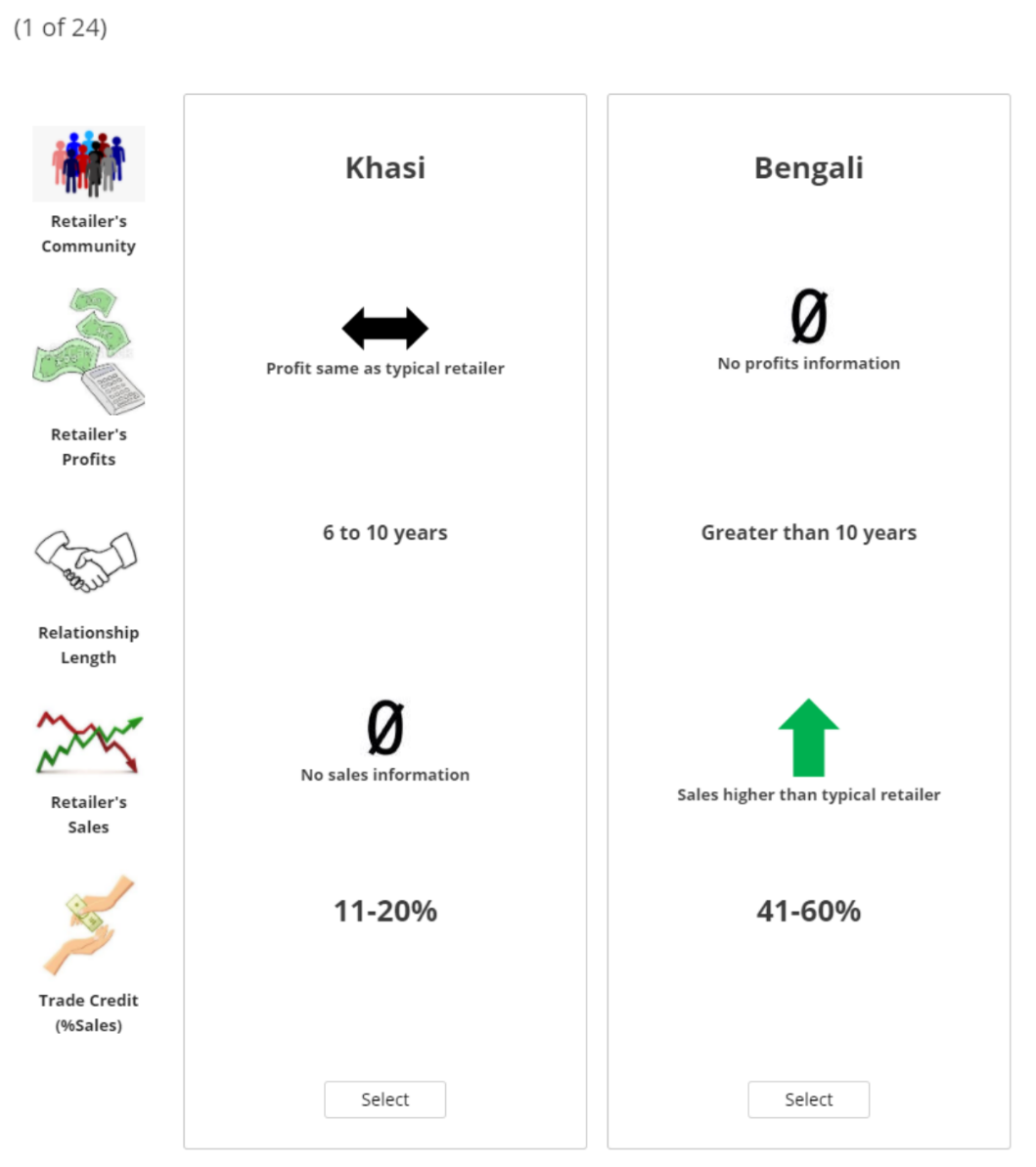
As part of this study, I conducted a survey of community bankers. Details related to the survey can be found in Appendix A of the paper, as well as here:
Media
- Do Companies Camouflage Their Results to Scare Off Competitors?, Chicago Booth Review, April 19, 2017